About International Payment Systems
.webp)
In a globally connected digital marketplace, businesses of all sizes increasingly engage in cross-border transactions. Whether it’s selling products overseas, hiring international freelancers, or managing remote teams, the ability to send and receive funds across borders is essential. International payment systems provide the infrastructure and tools to make these transactions smooth, compliant, and cost-efficient.
This article provides an in-depth look at what international payment systems are, how they operate, and what businesses should know when selecting the right one.
What Are International Payment Systems?
International payment systems are platforms designed to facilitate the movement of money between parties in different countries. These services help businesses manage global payments while dealing with multiple currencies, regulatory environments, and banking standards.
Unlike local transactions, cross-border payments involve several layers of complexity. From currency conversion to routing through international networks, these systems are built to handle the added challenges efficiently and securely.
How Global Transactions Work
Here’s how a typical cross-border payment might unfold:
- Transaction setup – The sender inputs the payment amount, recipient details, and preferred currency.
- Currency exchange – If necessary, the funds are converted into the local currency using current market rates or provider rates.
- Payment routing – The money moves through one or more intermediaries or clearing networks.
- Final delivery – The recipient receives the payment, often after multiple verifications and settlement steps.
Some modern providers now streamline this process by using direct digital channels. DNS PAY, for example, focuses on providing faster delivery times and simplifying currency conversions for businesses engaged in global trade.
Available Types of International Payment Services
There are several ways to manage international payments depending on business needs:
- Traditional banking channels – Reliable but can be slow and expensive for frequent transactions.
- Secure bank messaging systems – Used mainly by financial institutions to transfer data securely across borders.
- Digital-first payment platforms – Offer user-friendly interfaces, quick processing, and more favorable fees.
- Blockchain-based options – Enable nearly instant transfers but require awareness of volatility and evolving legal landscapes.
Each method has unique strengths and may be better suited to certain industries, markets, or transaction sizes.
Important Considerations for Businesses
Before selecting a payment system, it's important to assess:
- Cost structures – Be aware of transfer fees, exchange markups, and hidden costs.
- Processing speed – Consider how urgently you or your partners need access to funds.
- Supported regions and currencies – Confirm whether the platform operates in the regions where your business is active.
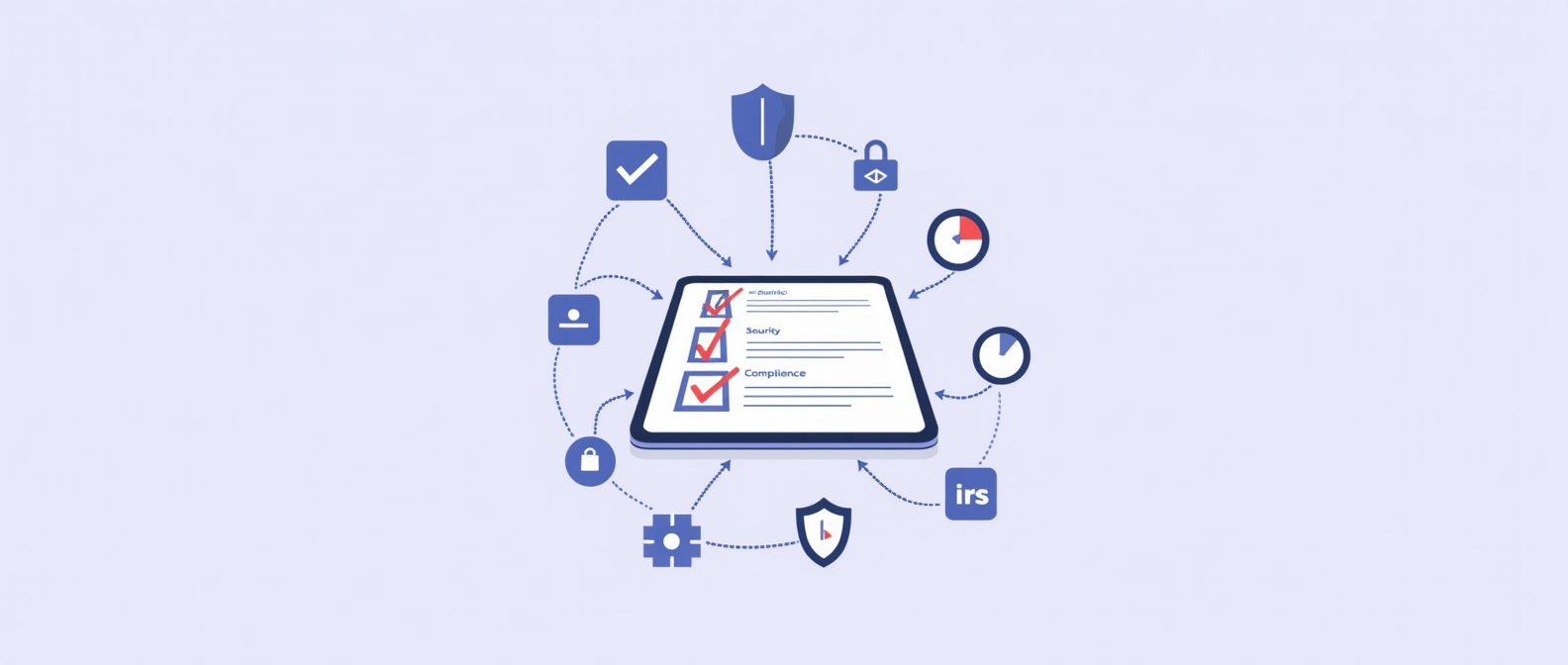
- Compliance and protection – Look for tools that ensure regulatory compliance, data encryption, and fraud detection.
Ease of use – Choose a system that integrates well with your current accounting tools or digital infrastructure.
Advantages of Using International Payment Systems
Adopting the right global payment solution can unlock major benefits:
- Broader market access – Serve customers and partners across continents.
- Improved liquidity – Reduce delays and keep your cash flow healthy.
- Lower operational burden – Automate payment processes and reporting.
- Currency flexibility – Accept, send, and manage multiple currencies seamlessly.
- Professional image – Reliable payments reinforce your credibility with international partners.
Challenges to Consider
As with any system, international payments carry certain risks:
- Unpredictable exchange rates – Sudden shifts can affect profitability.
- Increased fraud exposure – Global transfers are often targeted by sophisticated schemes.
- Regulatory variation – Different countries have different rules, requiring constant attention.
- Slow networks in some areas – Infrastructure limitations may slow down processing times.
Working with a well-established platform that offers transparency, tracking, and fraud protection is the best way to reduce these risks.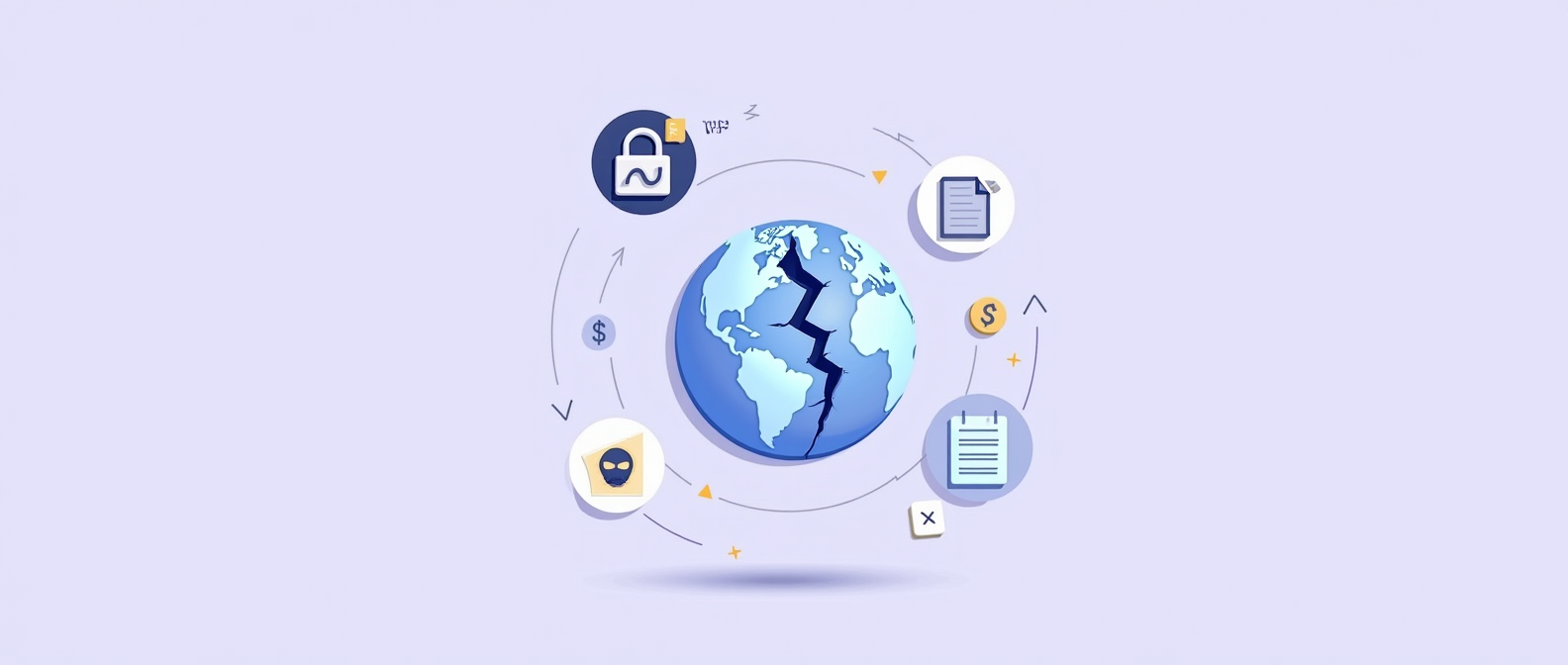
For businesses looking to expand or operate globally, international payment systems are a key component of success. They provide the foundation for reliable, secure, and scalable financial transactions across borders.
Choosing a provider that balances performance, compliance, and ease of use — such as DNS PAY — enables businesses to operate confidently on a global scale. The right payment strategy doesn’t just support transactions; it drives growth, builds trust, and ensures smoother international operations.
_0x320_dbe.jpeg)
_0x320_dbe.jpeg)
_0x320_dbe.jpeg)
_0x320_dbe.jpeg)
_0x320_dbe.jpeg)
_0x320_dbe.jpeg)
_0x320_dbe.jpeg)